
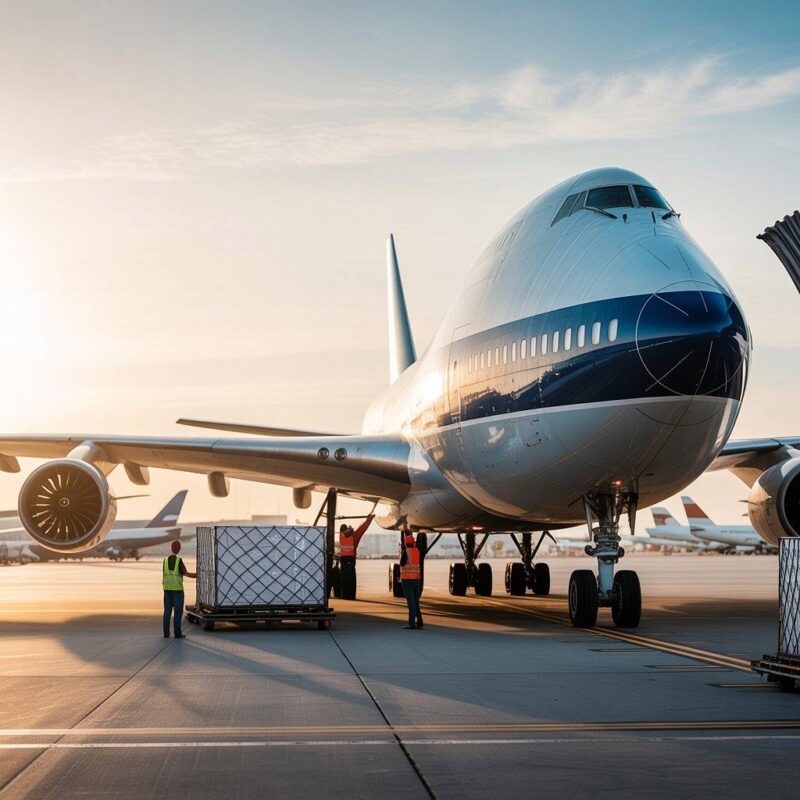
In the ever-evolving world of international logistics, air cargo has emerged as a pivotal component in facilitating swift and secure transportation of goods across borders. This article delves into the dynamics of air cargo services to the United States, highlighting key trends, challenges, and the sectors driving demand.
Air Cargo to the USA: A Strategic Overview
Air cargo plays a crucial role in the U.S. economy, serving as a vital link between American businesses and global markets. The United States’ extensive network of international airports, including Memphis International (MEM), Louisville Muhammad Ali International (SDF), and Miami International (MIA), positions it as a central hub for global air freight operations.
Key Trends Influencing Air Cargo Demand
-
E-commerce Surge:
The rapid growth of e-commerce has significantly impacted air cargo volumes. Platforms like Amazon have increasingly relied on air freight to meet consumer expectations for fast delivery. However, this surge has also led to heightened emissions, with Amazon’s shipping and delivery emissions rising by 75% since 2019, primarily due to increased air freight usage . -
Policy Shifts:
Recent changes in U.S. trade policies, such as the elimination of the de minimis provision for low-value imports from China, have disrupted traditional air cargo flows. This policy change has led to a 10.7% decline in air cargo demand from Asia to North America, as e-commerce shipments become subject to tariffs . -
Technological Advancements:
The integration of technologies like IoT sensors and blockchain is enhancing the efficiency and transparency of air cargo operations. These innovations enable real-time tracking, predictive maintenance, and improved security, streamlining the supply chain and reducing costs .
Challenges in the Air Cargo Sector
Despite its growth, the air cargo industry faces several challenges:
-
Infrastructure Constraints:
Many U.S. airports, particularly those handling cargo, were designed decades ago and are struggling to keep pace with modern freight demands. Upgrading these facilities is essential to accommodate increasing volumes and ensure timely processing . -
Environmental Concerns:
The environmental impact of increased air freight is a growing concern. Companies are under pressure to adopt sustainable practices, such as utilizing sustainable aviation fuel and optimizing flight routes to reduce carbon emissions.
Conclusion
Air cargo remains a cornerstone of global trade, facilitating the rapid movement of goods to and from the United States. While the sector faces challenges related to infrastructure, policy changes, and environmental impact, ongoing advancements in technology and infrastructure improvements offer promising solutions. Businesses engaged in international trade must stay informed about these developments to navigate the complexities of the air cargo landscape effectively.
For more detailed information on air cargo services to the USA, visit this link